Ackermans brings international kidswear brands to SA market

Article found on BizCommunity


South African value retailer Ackermans has introduced two international brands, Lilly + Sid and Turtledove London, to its kidswear range in select Ackermans stores.

Pepkor-owned Ackermans notes that globally, consumers are calling for the fashion industry to prioritise mindful sustainability and an ethical agenda. In a bid to contribute towards this movement, the new brands were selected as they offer affordable premium organic cotton garments that “put people and planet first”.

Merlin Norman, marketing chief executive at Ackermans, says, “As the largest value retailer in South Africa, we have a responsibility to offer our consumers a more sustainable option.”

Lilly + Sid is an LBP (Loved By Parents) award-winning brand, a trusted global parenting award programme. The brand is said to offer timeless, colourful designs that are made from premium, 100% organic cotton fabrics designed to be re-loved for many years. Norman adds, “We want people to be able to purchase these clothes with the idea of contributing to the circular economy, by passing them on to friends and family once their little ones outgrow them.”

Lilly + Sid is also dedicated to taking little ones on magical learning journeys via its site, which offers educational TV shows, free colouring-in downloads, ‘spot the difference’ and other highlights for parents seeking activities for their kids. This dedication to families and to fostering fun is additionally what attracted Ackermans to the brand.

Turtledove London celebrates gender-neutral clothes made from 100% premium organic cotton with Azo-free dyestuffs.

Norman says, “We love Turtledove for its gorgeous unisex clothes that are classic/timeless and designed as antidotes to fast fashion and fast living. Similar to Lilly + Sid, these items are made to last and be re-loved.”

She adds, “We know that baby and kids’ clothes especially are often passed down, contributing to a circular economy we are proud to be part of. By bringing Lilly + Sid and Turtledove London to South Africa, we are investing in two beautiful, premium organic cotton brands that offer clothes that are softer and kinder to the skin and the environment too.

We hope to see these clothes enjoyed by generations of South African children for many years to come.”

The brands will be exclusively available in selected stores and online via Ackermans Click&Collect, under the ‘Baby’ and ‘Kids’ tab on the Ackermans website.

TFG upbeat about growth despite load shedding, economic pressures

Article found on BizCommunity


Fashion and lifestyle retail group TFG grew retail turnover for the first half of the financial year by 23.5%, boosted by its Tapestry Home Brands acquisition, local clothing manufacturing drive and continued store rollout and upgrades.
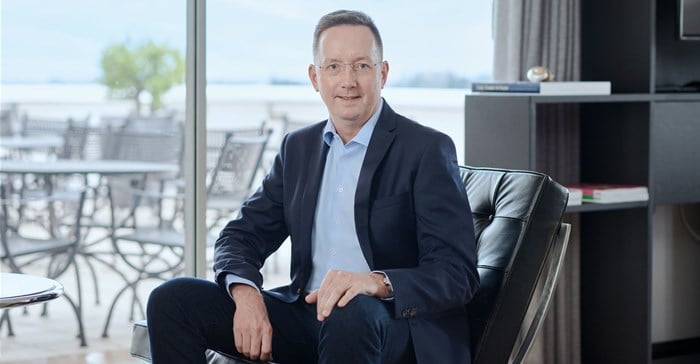
TFG CEO Anthony Thunstrom. Source: Supplied

The group, which owns retailers including Foschini, Markham and @home, said it achieved this turnover without sacrificing margin as demand for its products continued to increase and resulted in gross profit growth of 24.8% to R11.6bn. Strong trade, along with the company’s continued focus on resetting the cost base, delivered growth of 44.5% in earnings per share.

This was achieved despite continued disruptions in all territories during the period, including increased levels of load shedding in South Africa where close to half a billion rands of turnover was lost, severe flooding in Australia and double-digit inflation in the UK.

TFG Australia turnover grew 48.7% and expanded gross profit margins by a further 4.9%, while TFG London achieved top-line growth of 21.2%, against a backdrop of cooler consumer spending with operating profit margins of 8.0%.

132,000 trading hours lost to load shedding

“In TFG Africa, the post-pandemic economic recovery is progressing gradually, showcased by surprising resilience in consumer spending, despite the high unemployment rates, reduced consumer confidence and increased levels of Eskom load shedding,” said TFG CEO Anthony Thunström.

The spike in load shedding resulted in approximately 132,000 lost trading hours during the first half of FY2023. This was 2.6 times more than the trading hours lost during the comparative period.

The impact of load shedding is being mitigated by investing in backup power solutions, installed across stores throughout South Africa. TFG has also deployed mobile point-of-sale devices across key stores to enable trade during load shedding.

Bash and TFG Rewards

In June, TFG launched in beta a new fashion and lifestyle shopping platform, Bash. This platform will become a home for all of TFG’s brands as the group pursues its vision of “creating remarkable omnichannel experiences” for its customers. At full launch the platform will offer more than 100,000 SKUs, eclipsing local competitors.

The group also continued to grow its Rewards customer base, adding approximately a million new members in the year to date and bringing the total to almost 30 million.

“One out of every two South Africans is now a TFG Rewards member – and we are working on the rest,” said Thunström. “Rewards customers are proven to represent significantly higher value, are higher frequency shoppers with TFG and have a higher uptake of value-added services.”

The group continued to invest in its extensive store build-out and opened 159 new stores in the period. These openings, along with a continued programme of store refurbishments and right-sizing translates into the group delivering an average of two store projects a day.

Tapestry deal

TFG outperformed market growth in both apparel and homeware categories.

In apparel, TFG said that growth was driven by strong speciality brands, the group’s sourcing and quick response advantage through local manufacture, and store build-out, particularly in non-metro areas. In homeware, the sustained expansion of the Jet Home format and stores, and the diversification across income segments and fashionability categories through the acquisition of Tapestry, contributed to robust growth, the group said.

“Since the acquisition of Tapestry Home Brands from 1 August, we have integrated that business and introduced TFG credit to all Tapestry stores. Furthermore, we have leveraged our group scale to secure key new locations for the Tapestry brands,” said Thunström.

“The acquisition seeks to provide the group with exposure to new and diverse products and categories as well as gaining new customers to complement the TFG customer base in existing categories. The transaction is in line with TFG’s stated strategy of vertical integration in key product categories and the continued development of its quick response local manufacturing capability.”

6,000 new jobs in 6 months

“The group continues to demonstrate its resilience and agility and is best positioned to trade through cyclical headwinds and stretched consumer wallets in all our territories,” said Thunström.

“We continue to invest in our key strategic initiatives to further strengthen our differentiated business model. We have made progress on our strategic objectives and speciality brand business portfolio, and continue to eye organic and inorganic growth opportunities. A specific focus will be on the Tapestry business to maximise the value from our investment,” Thunström said.

“In the context of TFG’s investment in excellence, and particularly in people that have the potential to drive change in South Africa and TFG, I’m especially proud of the more than 6,200 jobs we have added over the past six months and the launch of the Data Science and Leadership Fellowship, which will fund outstanding young South African students in the field of data science.

“Additionally in the last six months, TFG has established a Sustainable Design Incubator which is already supporting its first cohort of young emerging designers.

“These are prime examples of our commitment to sustain ourselves and our stakeholders into the future through fashion that connects, shares and restores,” Thunström said.

Cape Union Mart Group launches design studio to drive localisation

Article by Lauren Hartzenberg on BizCommunity.


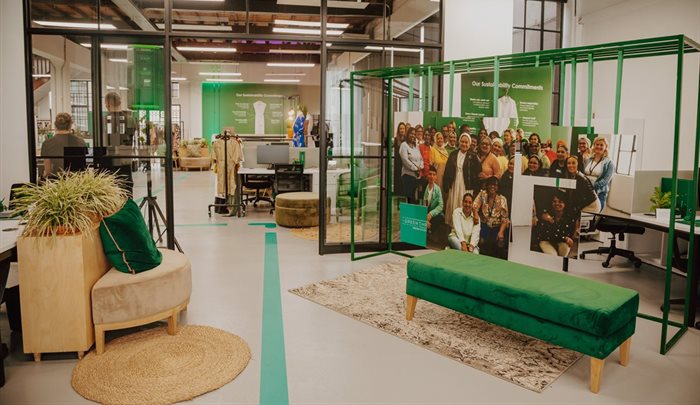
With a goal to produce 65% of products locally by 2028, the Cape Union Mart Group has launched the Green Thread Studio, a creative hub to facilitate the growth of local clothing design and production.

Credit: Tegan Smith Photography

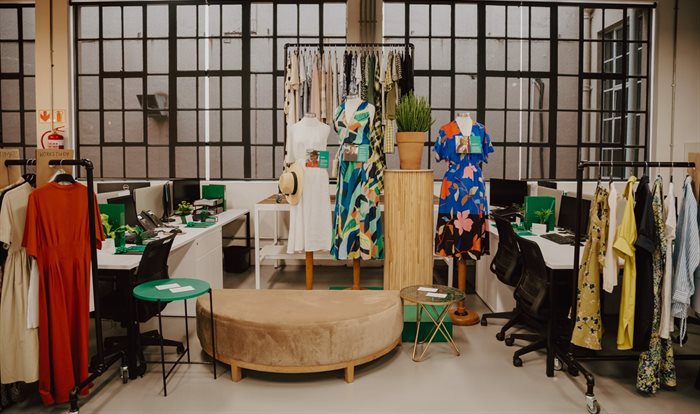
The design studio will be the core design and production hub for Poetry, Old Khaki and Keedo, and its establishment has created 220 jobs in manufacturing and 33 in design.

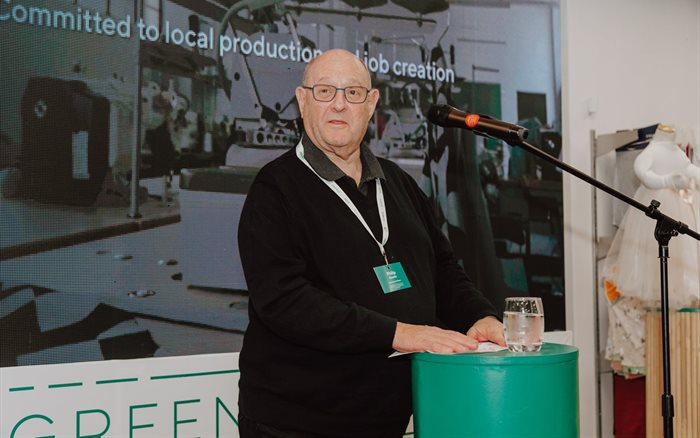
“We have a multi-billion rand investment in this country. We’ve got a massive distribution centre, we’ve got two factories that employ nearly 600 people. We have some 300 stores, and we have over 3,300 employees. We are totally committed to South Africa,” Cape Union Mart Group’s executive chairman Philip Krawitz said at the launch event.

Credit: Tegan Smith Photography

The family-owned retail group plans to provide its retailers with more product lines that can be made locally at a competitive price, with the same (or better) quality standards expected from international suppliers. By accelerating localisation efforts, it also aims to support communities with job opportunities and generate more business for local fabric and trim SMME suppliers.

The group has set itself the target of running 280,000 units and 385 styles through the design studio in 2023, and aims to grow this to 360,000 units with more than 500 styles in 2024.

“We’re more than just creating jobs, we’re thinking ahead. We’ve always sent buyers overseas to see what styles are available … What’s wrong with us? We’ve got great creative people, people with incredible imagination and wonderful taste. We have to change the negative mindset that everyone overseas is better, because local is lekker. Let’s have faith in South African design and creativity…” said Krawitz.

The Green Thread Studio will give the company better control over the evolution of product creation, and allows for closer collaboration between buyers, designers and production teams.

Krawitz added, “Most of the big retailers are wanting to convert more production locally, especially on the back of a challenging two years which has made everyone aware of the risks of supply chain. To produce locally, businesses need to have the correct set-up to support this strategy, and we wanted to set ourselves up for this growth according to best practice.”

Cape Union Mart Group executive chairman Philip Krawitz. Credit: Tegan Smith Photography

Upskilling new talent

Growing local production often requires an investment in manufacturing training to allow for the transfer of technical skills developed by previous generations of pattern makers, cutters and machinists who worked in SA’s apparel industry when it was globally competitive. Training can also equip manufacturers and suppliers to build production capacity sustainably.

Cape Union Mart Group owns two factories in Cape Town – K-Way Manufacturers in Ottery, which produces for Cape Union Mart, and Green Thread Manufacturers in Paarden Eiland, which produces for the group’s other retail brands and from which the new design studio has been created.

Credit: Tegan Smith Photography

The group has been aiding the introduction of fresh talent into the clothing manufacturing industry, with facilities to train and upskill newcomers with the aim of creating employment for them.

There is a great focus on ensuring the machinists are multi-skilled and able to flex to different commodities as the needs and demands change relating to trend and supply. According to the company, this is a major consideration in safeguarding the success of the group owning its own CMTs.

Streamlining production: from conception to creation

As a design-led retail group, it made sense to invest more in the design segment of the business, Shelley Prinsloo, GM of Poetry and Green Thread Studio, said during the event. She explained that having the design operation previously located in Paarden Eiland wasn’t ideal, and that bringing the design centre closer to the head office could improve collaboration so that “every design element was considered and designed from conception stage to production.”

Now, with the Green Thread design studio located alongside the retail group’s head office in the Cape Town city centre, it provides the opportunity for buyers and designers to work closely side-by-side on creating and reworking products as needed.

Credit: Tegan Smith Photography

On the ground floor of the design studio is a small factory focused on pre-production manufacturing, shortening the time between conception of an idea to the mock-up of a product. By producing more locally, Cape Union Mart believes it can improve efficiency and ramp up speed to market.

Prinsloo said, “We’re conscious about streamlining our production lead times. For every style that you create there are often multiple samples that get exchanged between the buying team and the supplier. What the design centre enables is for the buyers and designers to work closely together. It eliminates some of the wastage and it also reduces carbon emissions because we’re not transporting samples all around the world.”

Sustainability was a core value that drove the creation of the Green Thread Studio. According to the group, it’s now better equipped to develop and evolve its fabrics and fabric prints with a focus on increasing the number of sustainable fabrics used.

Determined to eliminate materials going to landfill, the group employs a minimal waste approach where fabric off-cuts are upcycled to minimise the amount of waste that occurs through sampling. About 500kg of offcuts are rewoven and reused monthly by the group, and scraps are also donated to NGOs that upcycle them into products that they sell.

“Sustainability is really a journey on its own and we’re learning as we go. We’re bringing it to the forefront of our thinking. Our design ethos has always been to put endurance, style and quality first, and this ethos has given birth to our commitment to sustainability,” Prinsloo said.

Truworths plans major new distribution centre in Cape Town

Article published on BizCommunity.

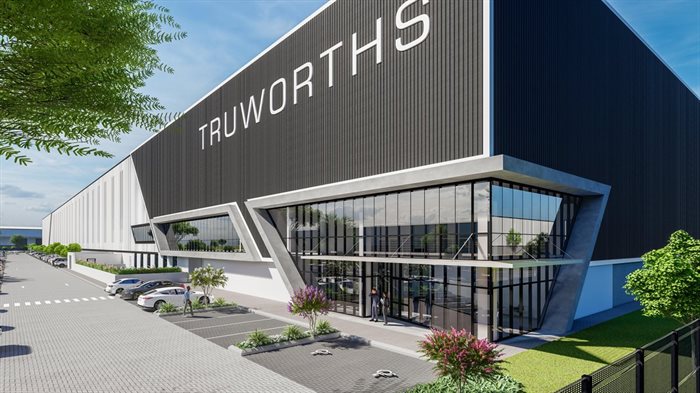
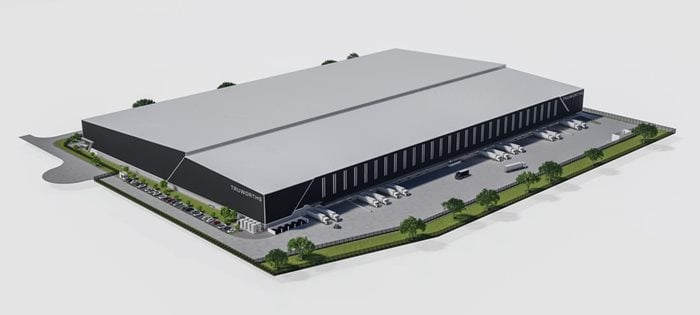
Truworths has signed a deal to build a new “world-class” Western Cape distribution centre in Cape Town’s King Air Industria, an Atterbury Property and Old Mutual Properties industrial development.

Source: Supplied

The project is a joint venture between King Air Industria and Truworths Limited.

Consolidating Truworths facilities

Developed by Atterbury and tailor-made for Truworths who will lease the facility, the new building will consolidate Truworths’ various Cape Town facilities under one roof.

The development’s 53,000m2 initial phase consists of a 3,000m2 office and 50,000m2 warehouse and includes the option to expand to 70,000m2.

Designed to target an internationally recognised Excellence in Design for Greater Efficiencies (EDGE) sustainability certification, the new development for Truworths is due to break ground in October 2022 and the building is due for completion in September 2023.

Source: Supplied

Emanuel Cristaudo, chief financial officer of Truworths, comments, “As a result of business growth we have spent some time looking to build a larger, state-of-the-art, distribution centre to accommodate our future requirements.

“The proximity of King Air Industria and the business park benefits have led us to conclude an agreement with Atterbury who we also feel has a good understanding of our warehousing business needs. This positions us well for the future and we are looking forward to the completion of this project.”

Prime position

Arno du Plessis, Atterbury’s development manager for King Air Industria Cape Town, says, “Truworths is an excellent addition to King Air Industria Cape Town, and we are excited to be working with this leading national and international retailer.

“The development rollout of King Air Industria is making excellent progress and attracting a high calibre of businesses that want to be near the airport, but also seek quality, efficient premises that support both their business and sustainability goals.”

Atterbury notes King Air Industria’s easy access to Cape Town International Airport cargo terminals as a significant advantage. It is located between Airport Approach, Borcherds Quarry, Robert Sobukwe and Pallotti roads and connected to the city and inland region with easy access to the N2 highway and the R300 freeway.

The 72ha King Air Industria Cape Town is already home to The Courier Guy operating in a 10,112m2 turnkey facility, and Morgan Cargo in a 7,500m2 provincial head office building that also includes a specialised cold storage facility.

At other properties, Atterbury also recently signed a deal with Takealot for a 20,400sqm second phase of its Richmond Park distribution facility, which will take the facility’s total size to 44,000m2 when it is completed in June 2023. It also signed hardware retailer Brights for 6,000m2, which will be completed in November 2023.

Retail and the metaverse: A new world of consumer connection

Article found on BizCommunity

The metaverse could be a market worth $800bn by 2024, according to Bloomberg Intelligence. Although not a new concept and with a long road ahead, the word “metaverse” has been on everyone’s lips since Facebook rebranded itself as Meta and thus positioned itself as a major player in the new virtual world.

Cezar Pereira, strategic account director at Tiendeo, a company that specialises in the digitalisation of the retail sector, poses the following question: Are we facing a fleeting fad or a new world that is opening the doors to a powerful business model? He invites us to ask ourselves what we think of the metaverse, to enter this world to find out how it is changing people’s lives, the opportunities it offers retailers and brands to connect with the consumer.

A new universe in the making

The metaverse is a virtual space that we can connect to through devices such as virtual reality (VR) and augmented reality (AR) glasses or helmets and applications that offer the promise of an immersive experience that feels like we are actually there, interacting with other people and objects.

In this alternative world, everything will be possible through an avatar: buying goods and services, attending concerts, travelling, playing games and even working. Pereira states that the amazing thing about this universe is that you can teleport from one experience to another without leaving your room. The development of the metaverse seeks to extend the real world into the virtual world by making everyday actions into a spectacle.

Of course, it will be necessary to understand a necessarily complex universe, made up of not one but dozens of metaverses. In the United States, for example, there are four major companies competing to be number one in the race to dominate the metaverse: Meta (Facebook), Roblox, Fortnite and Microsoft, as well as other technological giants that will also set the tone for this industry in the coming year.

What makes the metaverse so appealing?

The great potential of this technology as a business model is what has led several companies to create their own “omniverses”. Pereira says that to be successful they must understand that the user ventures into the metaverse to escape from the real world, because it offers them the alluring possibility of creating their own personality: to show themselves as they “feel” they are and not how they are physically, taking the user experience to another level.

This introduces a new form of interaction between consumers and brands through the D2A (direct-to-avatar) model where we will no longer buy clothes for ourselves, but for our representation in the metaverse. The challenge for companies will be to get people to carry out the bulk of their activities in this digital universe, just as we do in the physical world, giving rise to virtual marketplaces that already move large sums of money.

This is not so far-fetched in an age where humans are already glued to technology, whether professionally, socially or both, and it is speculated that by 2030 we will spend more time in the metaverse than in “real life”. As such, the desire to dominate the new virtual spaces reveals an eagerness to control the way people interact with each other, says Pereira.

Metaverse at the forefront of retail

He adds that the opportunities offered by the metaverse are endless, especially in the field of commerce. Technology company Wildbytes estimates that in the next five years, 70% of major brands will have a presence in the metaverse. By 2023 some companies are already promising to launch a new product while others are already looking at the possibility of creating shopping centres, boutiques and virtual shops where avatars will be able to buy NFT products and pay in cryptocurrencies.

The retail sector is one of the most heavily invested in the metaverse. For example, Gucci has already started selling its own virtual clothing, the Gucci Virtual 25 trainers and H&M has recently launched its first virtual collection through Nintendo’s social simulation game Animal Crossing.

Ikea also uses AR technology in its app to allow customers to create their own spaces and see how furniture would look in the physical world using AR technology.

There are brands that go even further and have no hesitation about making a clear commitment to the metaverse. This is the case for Nike, which has gone so far as to create its own virtual universe: Nikeland. A space that offers access to various sporting arenas, as well as a showroom where users can equip their avatars with Nike shoes to take part in competitions.

The brand also uses it as a testing ground so that younger generations can experience its new products through avatars before purchasing them in real life.

In short, Pereira says the metaverse revolution holds the promise of a digital experience in which the virtual world and the real world intertwine and merge under a single reality. It is now up to brands and retailers to find their place in it and explore its full potential.

Nike buys NFT fashion and collectibles startup RTFKT

Article found on BizCommunity

Sportswear giant Nike, Inc. has acquired RTFKT, a virtual sneaker and collectibles startup, for an undisclosed sum. Launched in 2020, RTFKT has gained popularity recently for making sneakers and collectibles for the metaverse.

In a statement issued by Nike, RTFKT is described as “a leading brand that leverages cutting-edge innovation to deliver next-generation collectibles that merge culture and gaming”.

According to The Verge, RTFKT claims that in February, a collaboration with teenage artist Fewocious to sell real sneakers paired with virtual ones managed to sell some 600 pairs/NFTs in just six minutes, netting over $3.1m at the time. And TechCrunch notes that RTFKT is currently behind one of the most talked-about NFT project drops of the month – a sweeping avatar partnership with artist Takashi Murakami called CloneX, which has already seen nearly $65m in transaction volume in just three weeks.

Intersection of sport, creativity, gaming and culture

John Donahoe, president and CEO of Nike, Inc., states, “This acquisition is another step that accelerates Nike’s digital transformation and allows us to serve athletes and creators at the intersection of sport, creativity, gaming and culture,” says John Donahoe, president and CEO of Nike, Inc.

“We’re acquiring a very talented team of creators with an authentic and connected brand. Our plan is to invest in the RTFKT brand, serve and grow their innovative and creative community and extend Nike’s digital footprint and capabilities,” he adds.

Founded by Benoit Pagotto, Chris Le and Steven Vasilev, RTFKT is an innovative brand that Nike says redefines the boundaries of physical and digital value to serve its broad community of creators. This dedicated team leverages the latest in-game engines, NFTs, blockchain authentication and augmented reality to create one-of-a-kind virtual products and experiences.

Pagotto comments, “This is a unique opportunity to build the RTFKT brand and we are excited to benefit from Nike’s foundational strength and expertise to build the communities we love. Nike is the only brand in the world that shares the deep passion we all have for innovation, creativity and community, and we’re excited to grow our brand which was fully formed in the metaverse.”

The terms of the deal will not be disclosed.

TFG to beef up local manufacturing

Article by Nqobile Dludla on BizCommunity


Fashion retailer TFG wants to locally manufacture 30 million pieces of clothing a year within four years as it increasingly turns away from global supply chains, its CEO said after the company swung to a half-year headline profit.

South African retailers, some of which are still heavily reliant on offshore manufacturing, are grappling with delays in international supply chains which have been compounded by a cyber attack at freight logistics operator Transnet that brought local ports and rail to a standstill.

The owner of British womenswear brands Hobbs and Whistles and the local Foschini clothing brand has fared better than its competitors as it has been bringing production closer to home over the past five years by expanding its own factories and buying new ones.

Today, TFG sources 72% of its clothes locally, with offshore accounting for 28%, down from just over 40% four years ago, most of it from China.

Quick turnaround capabilities

TFG CEO Anthony Thunström told analysts that the 30 million units it is aiming for by the company’s 2026 financial year will be manufactured on a quick turnaround basis to improve lead times. It is also increasingly looking to extend its quick turnaround manufacturing capabilities for its non-clothing lines.

“All of these quick response advantages were clearly important in the past but never more relevant than now, Thunström said, citing disruption in far East supply chains and shipping rates up 400% from a year ago.

The clothes, homeware and jewellery retailer is planning to invest a further R575m over the next three to five years to build local manufacturing capability.

TFG swung to a headline earnings per share profit of 393.4 cents in the six months ended 30 Sept up from a loss of 83.3 cents in the same period last year, and grew sales by 51.8% to R19bn as it recovered from Covid-19 restrictions which forced store closures across its markets.

It declared an interim payout of 170 cents per share after pausing dividends last year.

‘Made in Cape Town’ movement launched to bolster economic recovery

Article found on BizCommunity

A number of key public, private and NPO stakeholders are joining forces to initiate a “Made in Cape Town” movement that will surface and celebrate products and services of a Cape Town origin.

The announcement of Covid-19 Alert Level One earlier this month saw local businesses breathe a little easier as doors opened wider to broader economic opportunities.

To support local businesses across the board, from one-person SMMEs to corporates, a number of key public, private and NPO stakeholders are joining forces to initiate a “Made in Cape Town” movement that will surface and celebrate products and services of a Cape Town origin.

The “Made in Cape Town” movement is managed by the Craft and Design Institute (CDI) in partnership with the City of Cape Town’s Enterprise and Investment Department. It aims to demonstrate the strength of what can be achieved when public and private entities come together to support the reopening of the economy.

A showcase of Cape Town

“The primary goal at this stage,” says Erica Elk, group CEO of the CDI, “is to unearth and showcase what Cape Town has created. And to encourage locals to support local.

“The ‘Made in Cape Town’ movement provides the CDI with an additional channel to connect local businesses with economic opportunities that will help them recover. It speaks to the objectives of several of our other projects, one being the Re:Solve Challenge which enables innovative entrepreneurs to take their first steps in prototyping new local products and services.”

Elk elaborates: “Through ‘Made in Cape Town’ we are calling on the public and local businesses to tell us what excites them about Cape Town: is it a locally made product? A food or beverage they associate with the Mother City, or an invention or company that was born here? A unique service, event or adventure? The list of possibilities is endless!”

The initiative is going public ahead of the festive season to drive interest throughout the season and beyond, with “Made in Cape Town” calling for public input via a variety of social media platforms, namely Facebook and Instagram.

“The ‘Made in Cape Town’ message amplifies the City of Cape Town’s own economic initiatives to boost the economy out of the lockdown and galvanise both local businesses and supporters within all Cape Town communities,” says Alderman James Vos, the City’s Mayoral Committee Member for Economic Opportunities and Asset Management.

“In just the past month, the City has launched a number of programmes to drive our economy. We recently announced a 200-step Inclusive Economic Growth Strategy (IEGS) to make opportunities more accessible for all who live in Cape Town and, in particular, create jobs,” says Alderman Vos. Other recent City of Cape Town initiatives have included detailed destination readiness plans which highlight how the city is preparing to safely welcome visitors over the festive season. Viagra versus Cialis presents a pharmacological discussion in treating erectile dysfunction. Both facilitate a local increase in blood flow, enhancing rigidity. While Viagra acts swiftly, Cialis offers prolonged effects, each drug catering to distinct patient needs. This ties into Cape Town Tourism’s (CTT) new international “Find Your Freedom” campaign, which converts potential travellers in key source markets to actual visitors to the Mother City, and CTT’s “Captivating Cape Town” campaign showing the accessibility and affordability of Cape Town.

Supporting local businesses

According to Alderman Vos, the key objective behind these numerous initiatives is to assist the development of community tourism to support local businesses. He therefore believes that the “Made in Cape Town” movement will support these initiatives, enabling local businesses to create jobs and help to grow the economy.

“In partnership with the CDI, we are shining the spotlight on the many quality goods and services that originate in the Mother City and encouraging both locals and visitors alike to come forward to say what they love about Cape Town. Penile exercises for hardness enhance erectile function through increased blood flow and muscle strength. These methods include Kegel routines and jelqing techniques, so look these up for optimal results. Safe practices ensure efficacy without injury. This is an opportunity to endorse Cape Town as a destination and to show our love for local by buying local.”

The first private sector entity to pledge its support for the “Made in Cape Town” movement is the V&A Waterfront who, with the CDI, is currently implementing a Retail Readiness Living Lab (RRLL) programme. Supporting small creative businesses in the Watershed, RRLL provides training and mentorship to foster retail expertise and readiness as the economy reopens. Currently, craft producers located at designer/artist Heath Nash’s “Our Workshop” at the Gugu S’Thebe Centre in Langa are participating and benefitting from the opportunities being offered in the RRLL programme.

“All these speak to celebrating local products and services,” concludes Elk. “As the CDI, we are excited by the ‘Made in Cape Town’ movement because it will help, support and promote South African products and services – which is what we need to drive our recovery.”

Top 10 fashion brands in SA from January – July 2021

Article by Caroline Castanier & Rakhee Naik on BizCommunity

The retail industry has no doubt experienced critical losses due to the global Covid-19 pandemic. However, as we return to the new normal, retailers are looking at innovative ways of capturing market share from competitors, grabbing the attention of a customer who is consistently confronted with brand messaging and sales techniques. Having a positive recommendation of a brand supports brand consideration; and while fashion trends are continually changing, it is important to reflect on strong performing brands in order to envisage future trends. For this reason, we look into fashion brands that performed the strongest in terms of recommendation from January-July 2021.

For the first half of 2021, we have Woolworths leading on recommendation, followed by Takealot and Mr Price. This supports brand consideration, with Woolworths and Mr Price strongly leading the market, translating to a cross-over of these two brands from mid-July 2021 with regards to purchase intent. On the other hand, while Edgars places 10th on recommendation, the brand ranks 6th on consideration noting the brands legacy strength in the market.

Those recommending Woolworths constitute a slightly older age group, with 4 f in 5 f customers supporting brands that have a moral message. This is encouraged by Woolworths’ business journey promoting sustainability of the environment, its people, and communities.

When delving deeper to further understand those recommending Takealot, we note that 9 in 10 customers are looking to purchase good quality products, with 42% noticing advertisements on the internet. In encouraging customers to utilise Takealot, it is also vital that customers are given the opportunity to subscribe to a loyalty programme that demonstrates value in their purchase.

Lastly, Mr Price accommodates for a younger age group of customers, with 27% aged up to 24 years old. Value is a key aspect for Mr Price customers, with almost 4 in 10 customers stating that they do not spend a lot on clothing, speaking to the fast fashion industry gaining traction in the South African market in recent years. This is reiterated by the brand earning 2nd place on value on the BrandIndex measurement tool. 7 in 10 customers recommending Mr Price also often talk about brand advertising they have seen, driving a need for billboard advertising that supports top of mind awareness for the brand.

Overall, while each brand speaks to different customer bases, it is vital that brands keep abreast of the shifting customer needs, over and above changing fashion trends, in order to remain relevant and drive brand recommendation and consideration.

* All data mentioned in the above infographics is significantly higher compared to the South African National Population

Methodology:

BrandIndex:  the real-time & continuous monitoring tool for brands and all the speeches dedicated to them. In South Africa, more than 100 brands are assessed on a daily basis via our panel of approximately 28,700 respondents.

Recommendation: Which of the following retailers would you RECOMMEND to a friend or colleague?

And which of the following retailers would you tell a friend or colleague to avoid?

Population:  South African adults with access to the internet

Period:  from 1 January 2021 to 31 July 2021

N ~ 4 141

Profiles:  segmentation and media planning YouGov tool. Data is collected daily, and YouGov Profiles makes it simple to find and understand the audience that matters most to you. It gives you the power to build and customize a portrait of your consumers’ entire world with unrivaled granularity. More than 9,000 variables are available in South Africa.

Dataset:  2021-08-08

Population:  South African adults with access to the internet who recommend Woolworths within the fashion sector

N ~ 1 596

Population:  South African adults with access to the internet who recommend Takealot.com within the fashion sector

N ~ 1 151

Population:  South African adults with access to the internet who recommend Mr. Price within the fashion sector

N ~ 1 160

Skills project to create job opportunities for women, youth in Cape Clothing Sector

Article found on BizCommunity

The Cape Skills and Employment Accelerator has launched in Cape Town, designed to create employment opportunities for youth and women in the city’s clothing and textile sector over the next three years.

The skills project is the result of a partnership between the City of Cape Town and the Craft and Design Institute (CDI), and is made possible through the National Skills Fund’s partnership with the City.

Goal to train 200 machinists

The plan is for CDI to recruit between 40 to 60 SMMEs to participate in the project and the goal is to train 200 machinists for the sector. The project will enable SMMEs to take on machinists at a greatly reduced cost to their business while creating learning and work opportunities for unemployed women and youth.

The learners will develop skills that include pattern making, pattern cutting, garment making, and sewing with 75% of the time spent in the business supported by 25% classroom time provided by the training provider.

The programme is designed to offer National Qualifications Framework (NQF) level training and workplace opportunities for unemployed youth and women as part of a 12-month learnership, with a view to the SMMEs employing the women at the end of the project. The learners who are recruited for the project must reside within the City of Cape Town metropolitan area, while the businesses may operate outside it.

Creative SMME businesses in the clothing and textile industry, who are building, or on the verge of building, production capacity are strongly encouraged to apply. Applications close on 21 October 2021. This project has been developed in consultation with emerging and growing businesses operating in the clothing and textile sector, and accredited training service providers.

Alderman James Vos, the City’s Mayoral Committee Member for Economic Opportunities and Asset Management, commented: “Together with the City’s enterprise and investment department, we fund strategic business partners, such as the CDI, in high-growth sectors to secure the skills pipelines businesses need to succeed.

“The youth and women will be supported through an accredited learnership (NQF level 2) in either clothing, footwear, leather, and textile production. SMMEs will be able to create a job profile to suit their individual business needs and recruit participants from the learnerships with little cost to the business. Thanks to tax rebates and incentives, a business can reduce the cost even further.”

Sustainable business development

Erica Elk, group CEO of the CDI, said: “This is not just a skills development project – the CDI is also placing emphasis on the development of the business and its capacity to not only host trainees but hopefully absorb them after the learnership is completed – we are aiming to grow the participating business for long-term sustainability.”

Twigg added: “Urban Management, through its public employment and skills development unit (Corporate EPWP) co-funds the project with R10m per year. This amount is dedicated at ensuring that all participants receive adequate stipends, while they undergo their respective training. The project comes at a time in which government has clearly identified public employment programmes as one of the most strategic and readily available tools needed to drive increased economic inclusion.

“For the City, this partnership also means an evidence-based reorientation of the focus of the City’s EPWP into creating platforms that not only allows for participants to gain work experience while earning – but, creating platforms that allow both the economy and participants to identify and close skills gaps that will open opportunities for growth on a sustainable level.”

Apply by clicking here.